
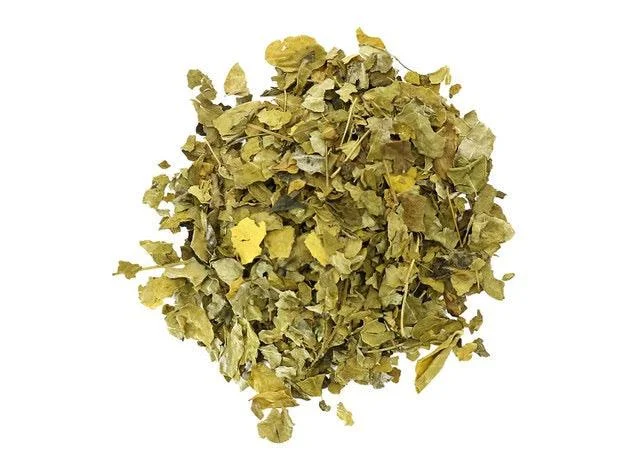
Description
Herbs are Sold By the Ounce, Price is Per Ounce
Moringa (Moringa oleifera)
Family: Moringaceae
Common Names: Drumstick Tree, Horseradish Tree, Ben Oil Tree, Miracle Tree
Botanical : Moringa is a fast-growing, drought-resistant tree that can reach heights of 30 to 40 feet. It has a slender trunk, grayish bark, and feathery, compound leaves with small, oval leaflets. The tree produces fragrant, white or pale yellow flowers that bloom in clusters, and long, slender, pod-like fruits known as “drumsticks,” which contain dark brown seeds. Almost every part of the moringa tree is used for food or medicine, but the leaves, seeds, and pods are the most commonly used parts.
Habitat and Cultivation: Native to the foothills of the Himalayas in northwestern India, moringa is now cultivated in tropical and subtropical regions around the world, including Africa, Asia, and Latin America. It thrives in a variety of soils, including poor and dry conditions, and is often grown in home gardens or on small farms for its nutritional and medicinal benefits.
Parts Used: Leaves, seeds, pods, roots, flowers, bark
Historical and Folklore Uses:
Moringa has been used for thousands of years in traditional medicine systems, particularly in Ayurvedic medicine, where it is known as “Shigru” and is said to cure more than 300 ailments. The tree is often referred to as the “Miracle Tree” or “Tree of Life” due to its numerous uses and nutritional value. In ancient cultures, moringa was valued as a remedy for malnutrition and various health issues, and it was also used as a water purifier. The seeds, when crushed, can help remove impurities from water, making it safe to drink.
Energetics and Taste:
- Energetics: Warming, drying
- Taste: Bitter, pungent, slightly sweet
Medicinal Actions:
- Nutritional Supplement: Provides a rich source of vitamins, minerals, and protein, making it valuable for combating malnutrition.
- Anti-inflammatory: Reduces inflammation throughout the body, particularly in the joints and digestive system.
- Antioxidant: Protects cells from oxidative stress and helps prevent chronic diseases.
- Antimicrobial: Fights bacterial, viral, and fungal infections.
- Hypoglycemic: Helps to lower blood sugar levels and may be beneficial for managing diabetes.
- Cardioprotective: Supports heart health by lowering cholesterol levels and improving circulation.
System Affinities:
- Nutritional
Reviews
There are no reviews yet.