
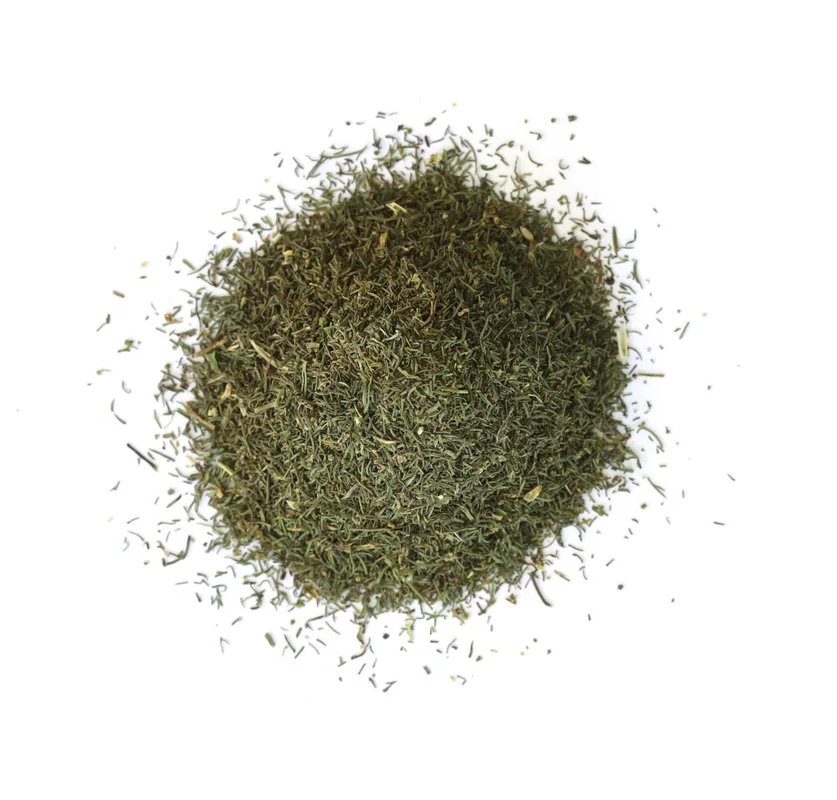
Description
Herbs are Sold By the Ounce, Price is Per Ounce
Dill Weed (Anethum graveolens)
Botanical Information:
- Botanical Name: Anethum graveolens
- Common Names: Dill weed, dill herb
- Family: Apiaceae (Carrot family)
- Origin: Native to Southern Europe, Western Asia, and the Mediterranean region.
Parts Used:
- Leaves (commonly referred to as dill weed)
- Seeds (referred to as dill seed in herbal use)
Growing and Harvesting:
- Habitat: Prefers full sun and well-draining, moderately rich soil.
- USDA Hardiness Zones: 2–11 (treated as an annual but self-seeds easily).
- Harvesting: Leaves can be harvested as soon as the plant is mature, and seeds are collected once they turn brown.
Traditional and Medicinal Uses:
- Digestive Health:
- Promotes digestion and reduces bloating, gas, and colic.
- Dill seed is traditionally used in teas to ease stomach discomfort.
- Sleep Aid:
- Contains compounds thought to have calming effects, supporting relaxation.
- Lactation Support:
- Used as a galactagogue to support milk production in nursing mothers.
- Antimicrobial:
- Has properties that may support combating harmful microorganisms.
Constituents:
- Volatile oils: Carvone, limonene, and dillapiole.
- Flavonoids: Kaempferol, vicenin.
- Other: Vitamins A, C, and minerals like calcium and iron.
Energetics and Tastes:
- Energetics: Cooling and drying.
- Taste: Aromatic, slightly sweet, and bitter.
Medicinal Actions:
- Antispasmodic
- Carminative
- Galactagogue
- Antimicrobial
System Affinities:
- Digestive system
- Nervous system
- Lactation support
Scientific Studies:
- Digestive Support: A 2021 study in Phytotherapy Research found that dill extract helped alleviate symptoms of indigestion and reduced intestinal discomfort in clinical trials.
- Antimicrobial Activity: A 2020 study showed dill’s essential oil exhibited antibacterial properties against certain foodborne pathogens.
- Lactation Support: A small clinical trial in 2018 indicated that dill improved milk production in nursing mothers, likely due to its phytoestrogen content.
Cautions:
- Allergies: May cause allergic reactions in sensitive individuals.
- Pregnancy: Use in culinary amounts is generally safe, but medicinal doses should be avoided without consulting a healthcare professional.
- Medication Interactions: May interact with anticoagulants due to its potential to affect blood clotting.
Uses in Spiritual Practices:
- Considered protective in folklore, often hung in doorways to ward off evil spirits.
- Used in charms and spells for abundance and prosperity.
Reviews
There are no reviews yet.